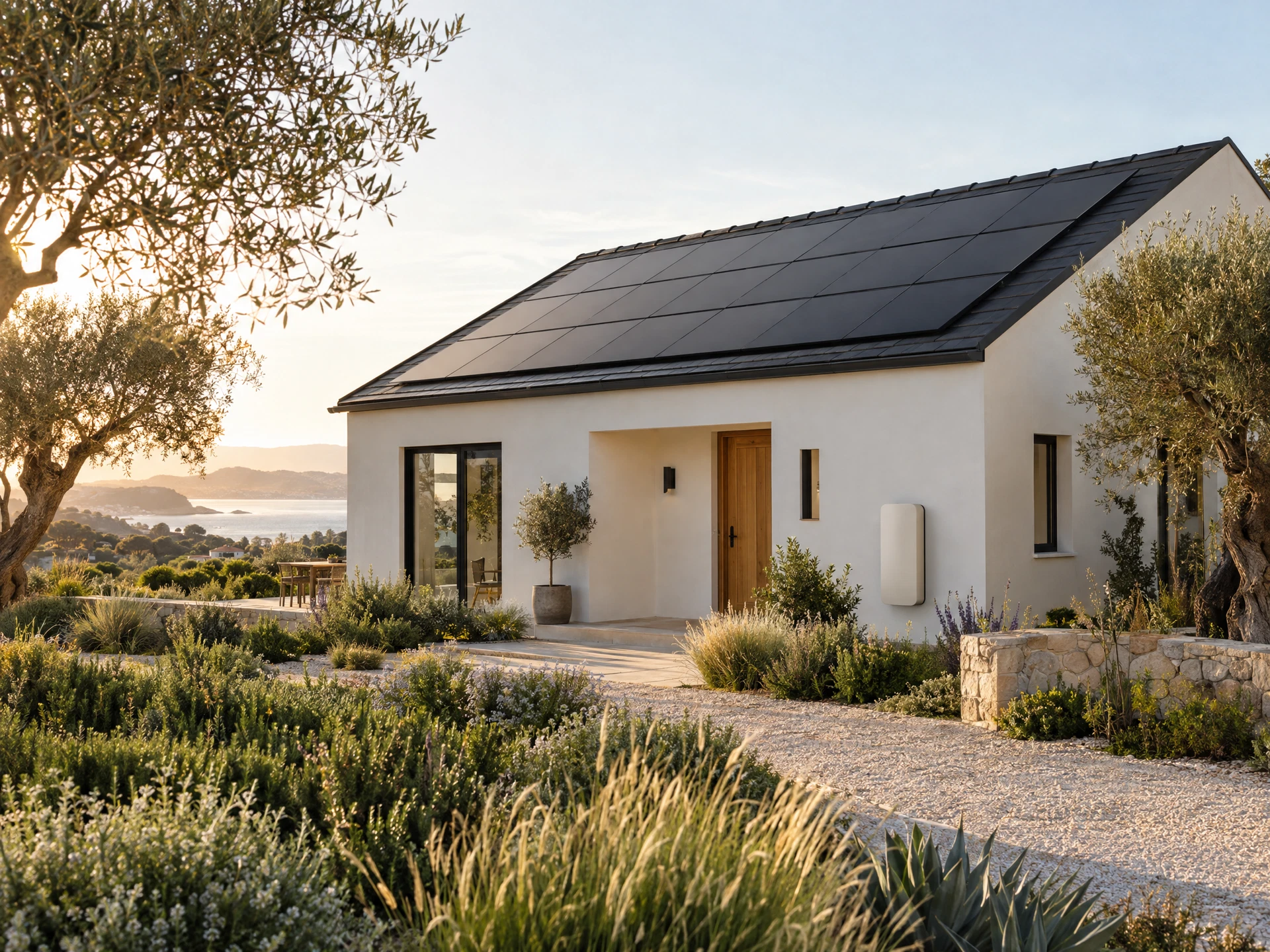
From assessment to an installable design
An initial conversation can identify energy goals and constraints, but the project becomes installable only after site information is assessed. Roof condition, shade, structural capacity, electrical service, access, equipment location, property rules, and local code can all change design choices and scope.
For storage, a review also needs critical-load wiring, inverter compatibility, electrical clearances, safety requirements, and the desired outage behavior. The process should make a distinction between a preliminary concept and the approved design used for permits and construction.
Practical checklist
- Ask for a site assessment and documented scope of work.
- Confirm responsibility for roof, electrical, structural, and permitting questions.
- Review how existing solar or electrical equipment will be evaluated.
Permits, utility work, and commissioning
Local permit requirements and utility interconnection procedures vary. A responsible proposal states who prepares submissions, responds to corrections, schedules inspections, commissions equipment, and provides the customer’s closeout documentation. It should also identify the expected service contact and warranty handoffs.
Timing, approval, output, and cost cannot be guaranteed before those authorities and site conditions have been addressed. Keep every schedule and production figure tied to its assumptions.
Practical checklist
- Request a clear sequence for design, permits, utility approval, installation, and commissioning.
- Keep equipment documents, warranties, and final drawings where applicable.
- Ask how changes discovered on site are approved and priced.
Close out with usable project records
After commissioning, keep the documents that explain the installed system: approved drawings where provided, equipment and warranty information, operating instructions, inspection or interconnection records, and service contacts. Ask how monitoring access, maintenance, and warranty claims work in practice. These closeout details are part of a complete installation process, not an optional afterthought.
Practical checklist
- Keep assumptions, exclusions, and the next verification step in the written project record.
Practical FAQs
Questions to take into a review
How long does a solar installation take?
Timing varies with site conditions, design, permits, utility procedures, equipment, weather, and scheduling; a generic timeline is not a commitment.
Can a battery be added to existing solar?
Possibly, but compatibility, controls, electrical equipment, code, and installation feasibility need a qualified review.