Separate energy from power
Kilowatt-hours describe stored energy; kilowatts describe how much power can be delivered at one time. A battery with enough energy for a day can still be unsuitable if a pump, compressor, or HVAC load exceeds the system’s verified continuous or surge capability. A load list should include both running and starting needs.
For an illustrative screen, add the expected energy used by selected loads during an outage and add a stated reserve. That calculation is not a runtime promise because usable capacity, reserve settings, efficiency, temperature, recharge, and actual equipment ratings must be verified.
Practical checklist
- List selected circuits, watts, hours, and starting loads.
- Ask whether capacity is nominal or verified usable energy.
- Confirm continuous and surge power, transfer controls, and solar recharge behavior.
Plan the installation, not just the product
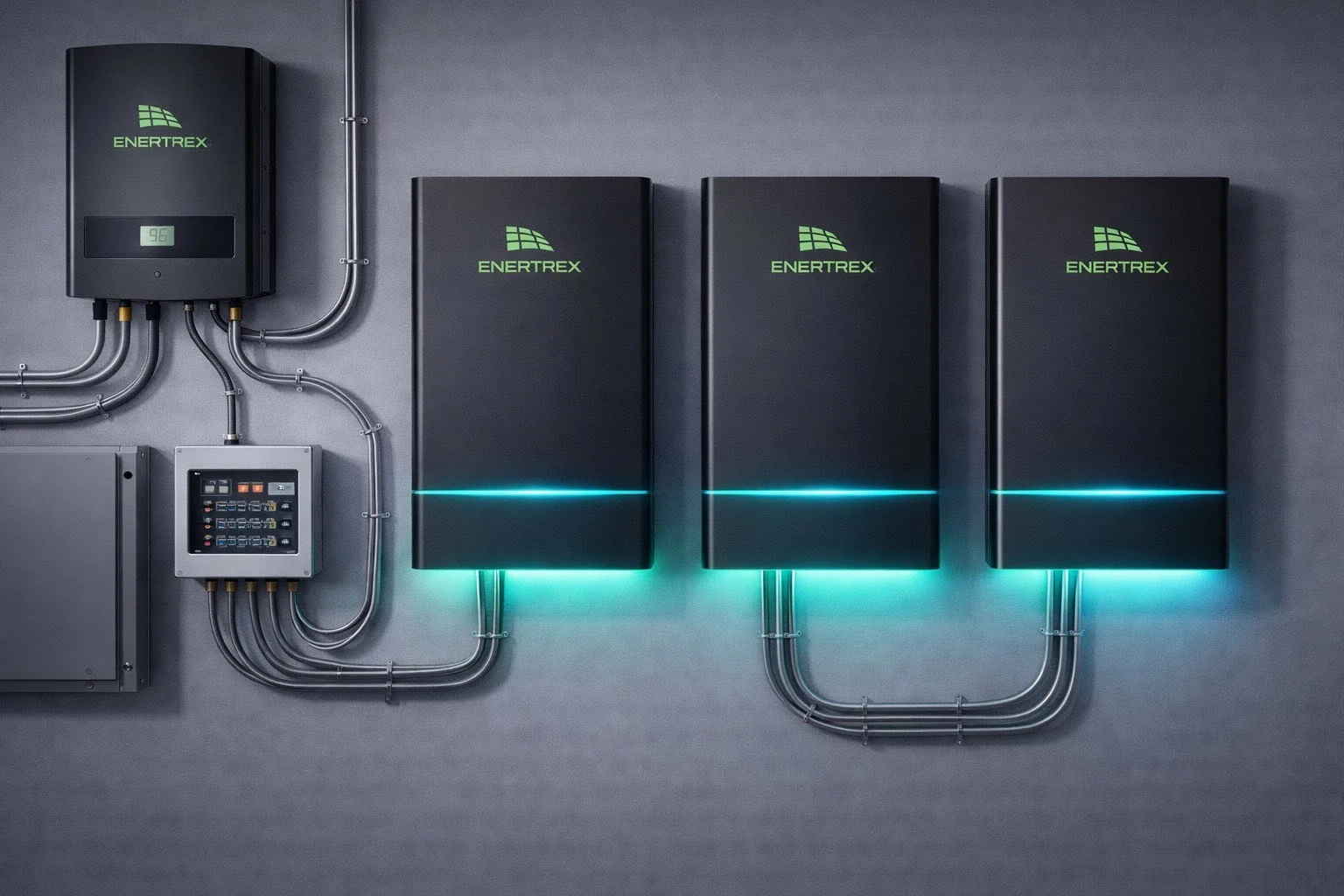
Backup operation normally requires a compatible inverter, appropriate critical-load or service equipment, permitted wiring, and commissioning. Existing solar may change the available design paths. Installation feasibility can also depend on location, clearances, structural conditions, electrical service, fire requirements, utility rules, and local code.
Do not assume a battery guarantees whole-home backup, savings, financing, a tax result, or a multi-day outage outcome. A qualified site review should document what is included and excluded.
Practical checklist
- Request a documented backup scope and excluded loads.
- Review permits, code, warranty, service, and monitoring responsibilities.
- Compare storage proposals using usable energy and power, not capacity labels alone.
Document the outage plan
An outage plan should tell occupants what changes when grid power is unavailable: which circuits remain energized, which loads must stay off, how state of charge is managed, and when the system should be reviewed or serviced. Clear operating instructions reduce the risk that a battery is treated as an unlimited source of power. Final instructions must come from the installed system documentation and qualified provider.
Practical checklist
- Keep assumptions, exclusions, and the next verification step in the written project record.
Practical FAQs
Questions to take into a review
Will a battery keep my whole home on?
Only if a verified system design supports the required loads and duration. Many designs intentionally protect a selected group of circuits.
Can solar recharge storage during an outage?
It depends on the inverter, controls, system design, weather, loads, and permitted configuration; confirm it for the proposed system.